UFC Broadcast Delay and Round Betting: The Hidden Timing Tax
 Available in US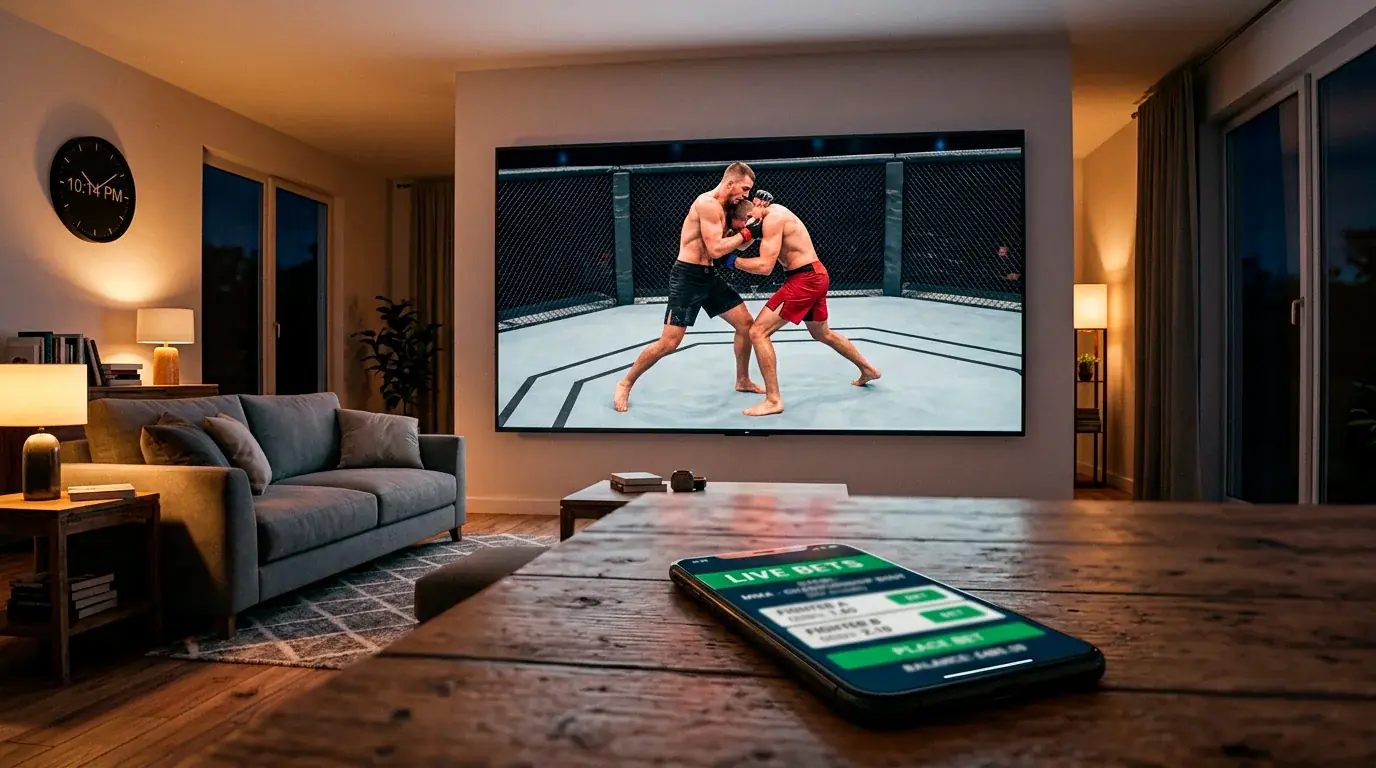
The delay nobody talks about but everybody pays for
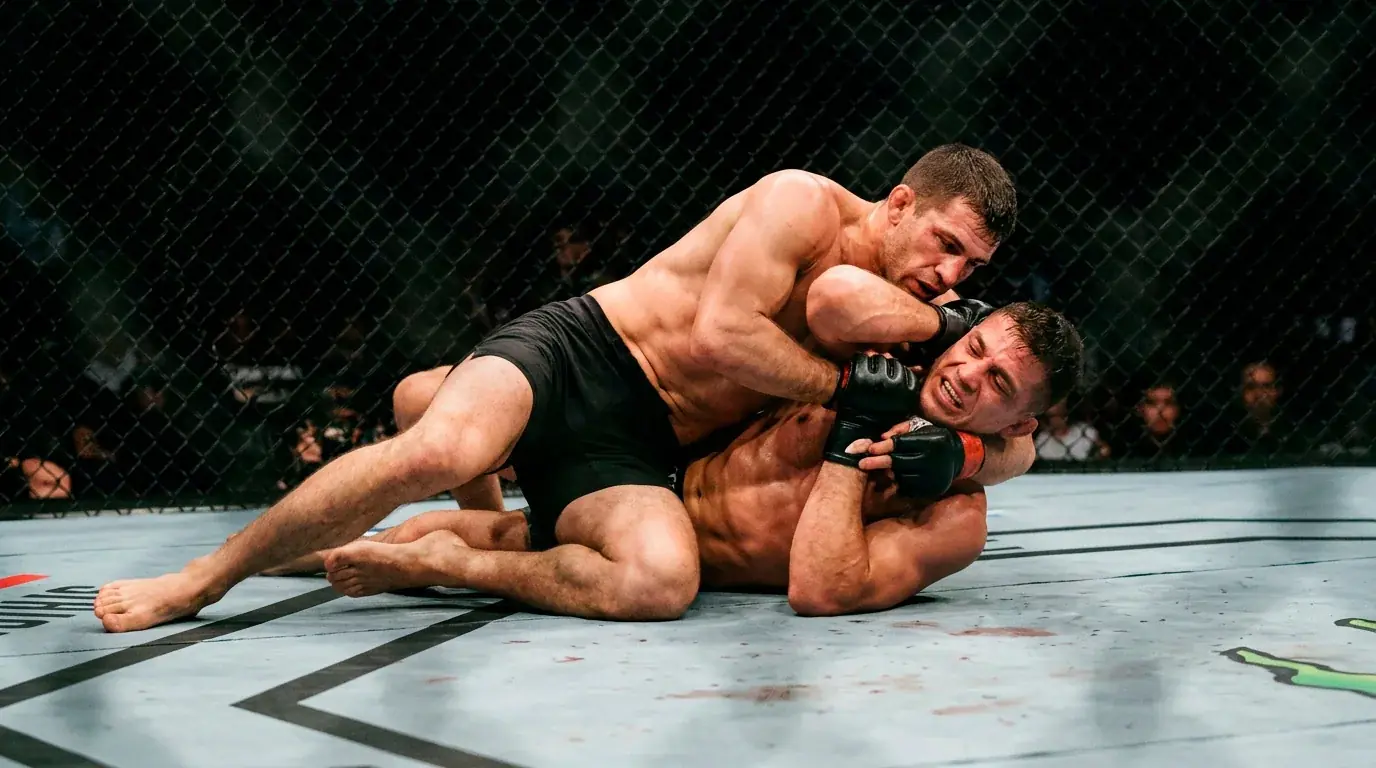
The first time a live bet of mine settled on a price that did not match what I was watching on my screen, I genuinely thought the bookmaker had made a mistake. The fighter had landed what I saw as a clear finishing shot, the price on his opponent had moved against him on my betting app, and yet by the time I tapped to place a new bet the market had already closed. Turns out I was not seeing the mistake. I was seeing the delay. The fight had actually ended 15 seconds before my stream showed it, and the market had closed accordingly.
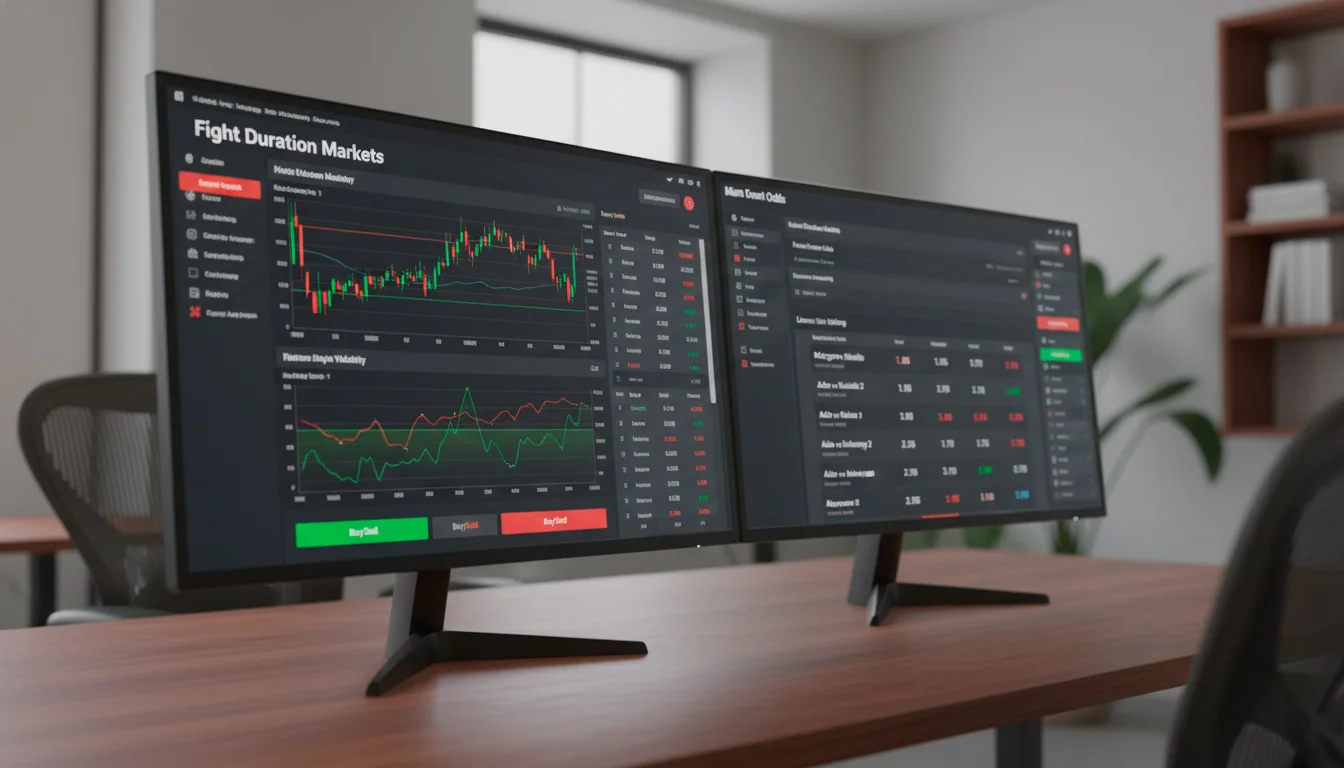
Broadcast delay is the quiet timing tax on UK UFC live betting. Most streaming services introduce some delay between the actual cage action and what appears on your screen. Most bookmaker live-pricing feeds do not introduce the same delay — they are closer to real time, which means the market knows things your stream has not yet shown you. The bettor watching at home is effectively operating on a lagged information set while the market has already processed what happens next.
This piece walks through where the delay comes from, what it looks like in practice on UK streams, how bookmaker feeds differ from viewer feeds, and how to protect live stakes from the specific failure modes the delay creates. As UK Gambling Commission chief executive Andrew Rhodes noted in his annual briefing, “what I thought was a five-year-away problem, perhaps a year or two ago, I think is now an 18-month to two-year challenge”, referring to crypto-gambling specifically but describing a broader pattern of how fast the digital side of betting infrastructure is shifting. Broadcast delay sits in that same evolving landscape.
Where the delay comes from
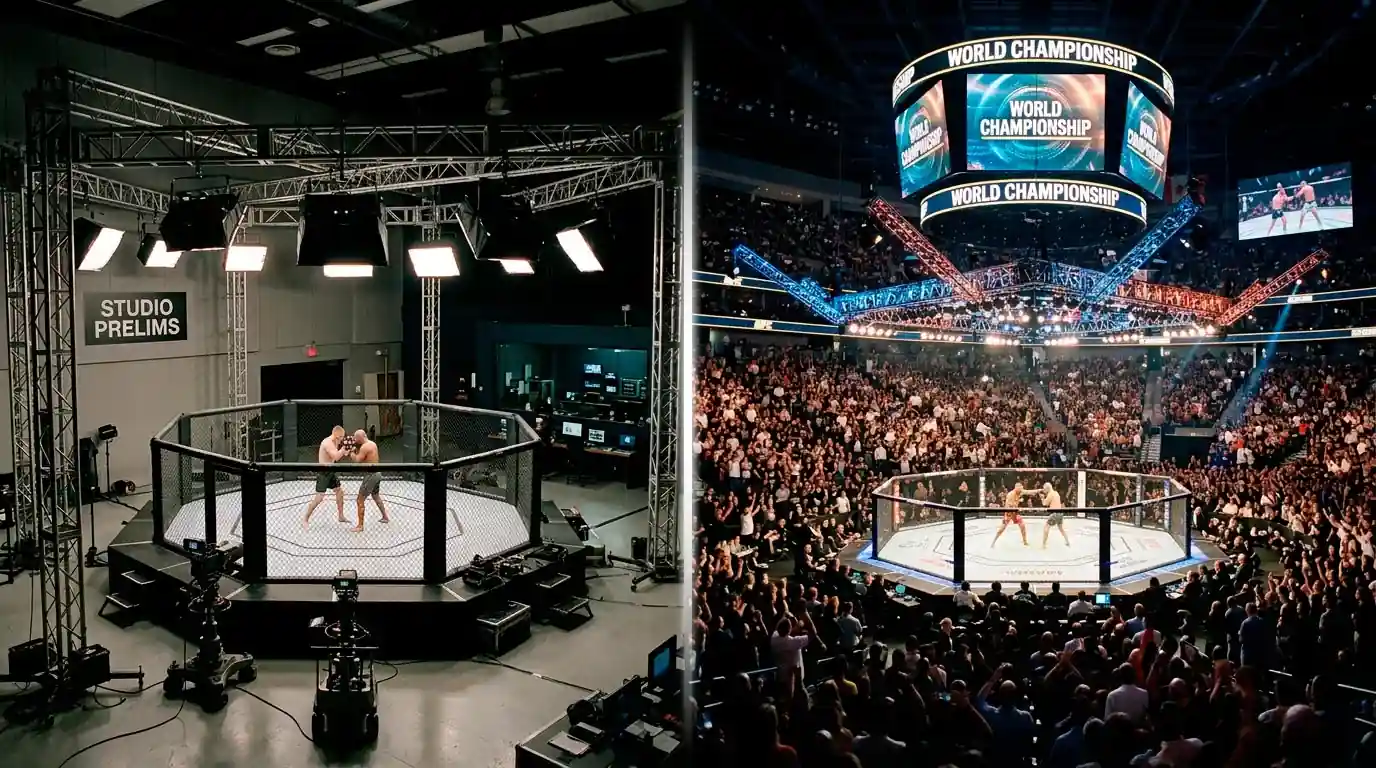
The total delay between live cage action and a viewer’s screen is the cumulative sum of several separate latency sources. The video capture and encoding at the venue adds a few seconds. Transmission to the broadcast infrastructure adds more. Adaptive bitrate streaming, which is how most modern services deliver video over the internet, introduces buffering that can add another 10 to 30 seconds. CDN distribution, regional caching, and the viewer’s own network connection add final layers. The total from cage to eyeball typically sits between 20 and 60 seconds on most UK streaming setups.
Traditional linear television is usually faster than internet streaming, because the broadcast path has fewer intermediary steps. A cable or satellite feed can have a delay as low as 5 to 10 seconds from live. A good over-the-air broadcast can be even quicker. Internet streaming, by contrast, is almost always slower — the trade-off for flexibility in how the signal is distributed is added latency at every hop.
The specific delay on any UK viewing setup depends on the stream provider, the device, the network, and the video format. A 720p stream over a good home broadband connection on a native app often runs 20 to 30 seconds behind live. A 1080p stream on the same connection can run 30 to 45 seconds behind. Streams rendered through browser players tend to be slower than streams on dedicated apps. Mobile streams on cellular connections can be slower still.
The UFC 326 broadcast on CBS — the debut of the Paramount era — averaged 2.47 million viewers on linear TV, the largest UFC audience since December 2016. That audience experienced faster real-time viewing than internet-stream audiences at home, because the linear-TV infrastructure is genuinely quicker than streaming. For bettors, the delay differential between viewing methods matters for specific live-betting decisions.
UK stream specifics
UK viewers of UFC events typically watch through one of a handful of stream providers. Each has its own latency profile. The specific delays I have measured over a couple of years of live tracking cluster in the 25 to 45 second range on internet streaming, with occasional spikes to 60+ seconds during network congestion or during the opening moments of a card when infrastructure is under peak load.
The broader delay picture also depends on whether the broadcaster is operating a live editorial window — adding a few seconds of buffer for compliance reasons such as swearing, graphic injury, or unexpected incidents that might need to be bleeped or cut. UK broadcast compliance is generally stricter than US compliance, which adds a small latency overhead specifically for UK viewers that does not apply to US streams of the same event.
During the card itself, delay tends to stabilise once the stream has buffered properly. A viewer who starts watching mid-card often has lower latency than one who started from the opening bell because the later start may have been streamed from a fresher edge of the content delivery network. This detail is occasionally useful — re-starting a stream mid-card to reduce latency is a workable tactic for serious live bettors.
Bookmaker feed latency is different
The critical difference for betting is that bookmakers typically do not operate on the same broadcast feed that viewers see. They use faster data pipelines — either direct data feeds from official UFC scoring and timing systems, or commercial sports data providers that aggregate from venue-based sources. These feeds are closer to real-time than the viewer stream, often within 2 to 5 seconds of live.
The practical consequence is that bookmaker price engines know about significant in-cage events meaningfully faster than home viewers do. A knockdown that appears on a viewer’s screen at second 45 may have already been processed by the bookmaker’s pricing engine 30 seconds earlier. The odds movement that looks inexplicable to the viewer — why did his price suddenly lengthen before anything happened? — is often the market responding to action that has not yet reached the viewer’s screen.
This is also why live cash-out buttons suddenly disappear during rounds when the viewer sees no reason for the suspension. The bookmaker’s feed has detected a market-moving event (a takedown, a flurry, a near-finish) that the viewer has not seen yet. By the time the action appears on the viewer’s stream, the cash-out is gone and the price has moved, which feels arbitrary from the viewer’s side but is actually a disciplined response on the bookmaker’s side.
The UK online gambling environment has grown substantially — the online gambling gross gambling yield rose by over £900 million to £7.8 billion in the most recent fiscal year — and the infrastructure supporting that growth has included substantial investment by bookmakers in faster data feeds specifically to reduce their exposure to stale-price risk. The viewer-side experience has not kept pace with the same upgrades, which is why the delay differential has widened over recent years.
Protecting live stakes against the delay
There are a handful of practical approaches to the delay problem. The first is simply to accept it and size your live stakes conservatively. If you are making live decisions on information that is 30 seconds older than the market’s information, you are operating at a structural disadvantage on speed. Keeping live stakes small relative to pre-fight stakes is the simplest mitigation.
The second is to prefer stream providers with the lowest latency you can identify. Traditional linear TV, if available, typically beats internet streaming. Among streaming options, dedicated apps usually beat browser players, and wired broadband usually beats wireless. Measuring your own setup’s latency once, by comparing your stream against an official clock overlay if the broadcast provides one, gives you a baseline for how much disadvantage you are actually operating at.
The third is to build live betting habits around the delay rather than against it. If your stream is 30 seconds behind, you know that dramatic-looking moments are in fact already priced into the market by the time you see them. Trying to front-run a knockdown you just watched on your screen is a losing strategy because the market has already processed it. Instead, use the delay window to do your thinking — by the time you have considered whether to stake, the market has settled into a new price that you can evaluate calmly rather than chase.
The fourth and most disciplined approach is to pre-commit live triggers before the fight. If a specific in-cage event would make you want to stake a specific way, decide that before the bell and execute on the decision rather than re-evaluating live. This removes the latency disadvantage because the decision itself is made at a moment when both you and the market have the same information, and the execution lag becomes less punishing.
What the timing tax actually costs
The honest assessment is that broadcast delay is a genuine but manageable disadvantage for UK round bettors. A 30-second delay is significant enough that it changes what live-betting strategies are viable, but not so large that live betting becomes impossible. Moneyline and over/under round markets move slowly enough relative to the delay that they are still tradeable. Specific combo markets and sharp-finish markets move faster, and those are where the delay costs most.
I have largely moved my live betting activity towards the slower-moving markets as a direct consequence of the delay reality. Live over/under rounds, live moneyline shifts, live goes-the-distance repricing — all of these operate on timescales that survive the 30-second lag reasonably well. Live KO-in-this-round combos and live method markets operate on tighter timescales where the delay becomes too expensive. Knowing which markets suit the constraints of home viewing is the discipline that keeps live betting profitable despite the structural disadvantage.
The delay is not going away. The infrastructure trend is towards more streaming and less linear TV, which means average delays are likely to rise rather than fall over the coming years. UK punters who want to keep live betting as part of their round-market approach should plan for that environment rather than against it — accepting the delay as a constraint, choosing markets and strategies that work within it, and sizing stakes to reflect the structural speed disadvantage rather than pretending it does not exist.
How many seconds is typical broadcast delay in the UK?
Internet streaming typically sits 25 to 45 seconds behind live cage action in the UK, with occasional spikes to 60 seconds or more during network congestion. Traditional linear TV is faster, usually 5 to 10 seconds behind live. Mobile cellular streams tend to be slower than wired broadband streams, and browser-based players tend to be slower than dedicated apps. Measuring your specific setup once against an official clock overlay gives you a personal baseline for planning live-betting decisions.
Do bookmakers see the fight before home viewers do?
Yes, typically by 20 to 30 seconds for internet stream viewers. Bookmakers use fast commercial data feeds sourced from official UFC timing and scoring systems or venue-based aggregators, not the same broadcast stream that viewers see. The gap between bookmaker feed latency (2 to 5 seconds) and viewer stream latency (25 to 45 seconds) is the structural speed advantage the market holds over home-viewer bettors on live markets.
Can I be bumped if I beat the line on a delayed stream?
In practice, no. If you place a live bet at a price the bookmaker was offering at the moment of the stake, the bet is accepted and settled at that price regardless of whether the underlying action in the cage had already happened by the time you saw it on your stream. The market protects itself by suspending cash-out and live pricing during dramatic moments, which is why live markets often go quiet for 10 to 20 seconds before a finish — the bookmaker’s engine has already detected the likelihood and pulled the markets offline.
Prepared by the Round Betting ufc editorial staff.