How UFC Round Odds Move Between Rounds: Patterns Worth Trading
 Available in US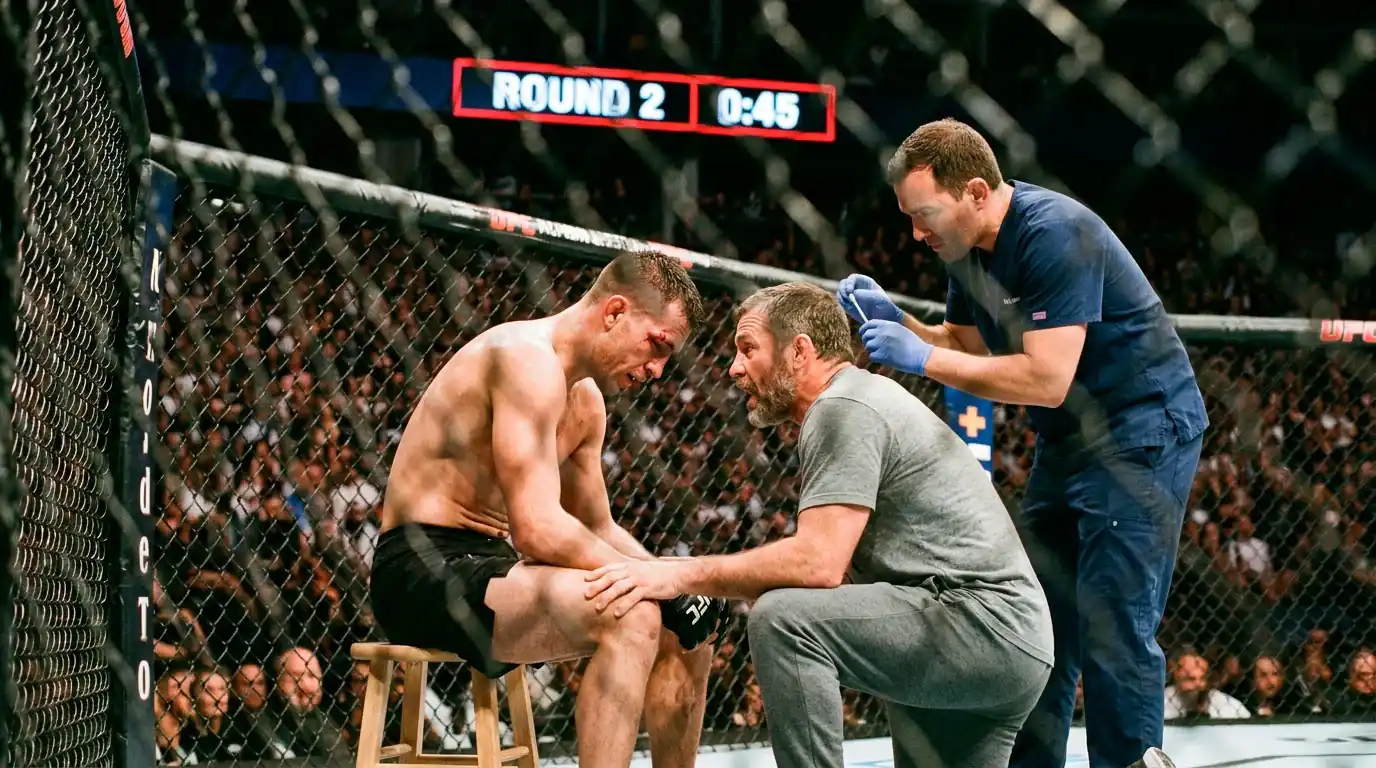
The sixty seconds where the market thinks out loud
The most interesting pricing window in UFC betting is not pre-fight. It is the sixty seconds between rounds, when the market has just absorbed five minutes of action and is recalculating every live price in the book. Watch enough of these windows and you start to see recurring patterns — the ways the market systematically overcorrects, underreacts, or simply lags the visible reality of the fight in front of it.
I started tracking between-round price movement as a hobby about six years ago and it quickly became one of the more reliable sources of live-betting edge I have found. The patterns are not secret. They are not especially subtle. They just require the discipline to watch prices in real time, compare them to your own read of the round that just ended, and stake only when the two diverge in a predictable way.
This piece lays out three patterns I see repeatedly in between-round price movement, plus the specific hedge triggers that follow from them. Online gambling gross gambling yield in the UK grew by over £900 million to £7.8 billion in the most recent fiscal year, and a growing slice of that volume sits on live markets where patterns like these actually play out.
Pattern 1: damage repricing overshoots
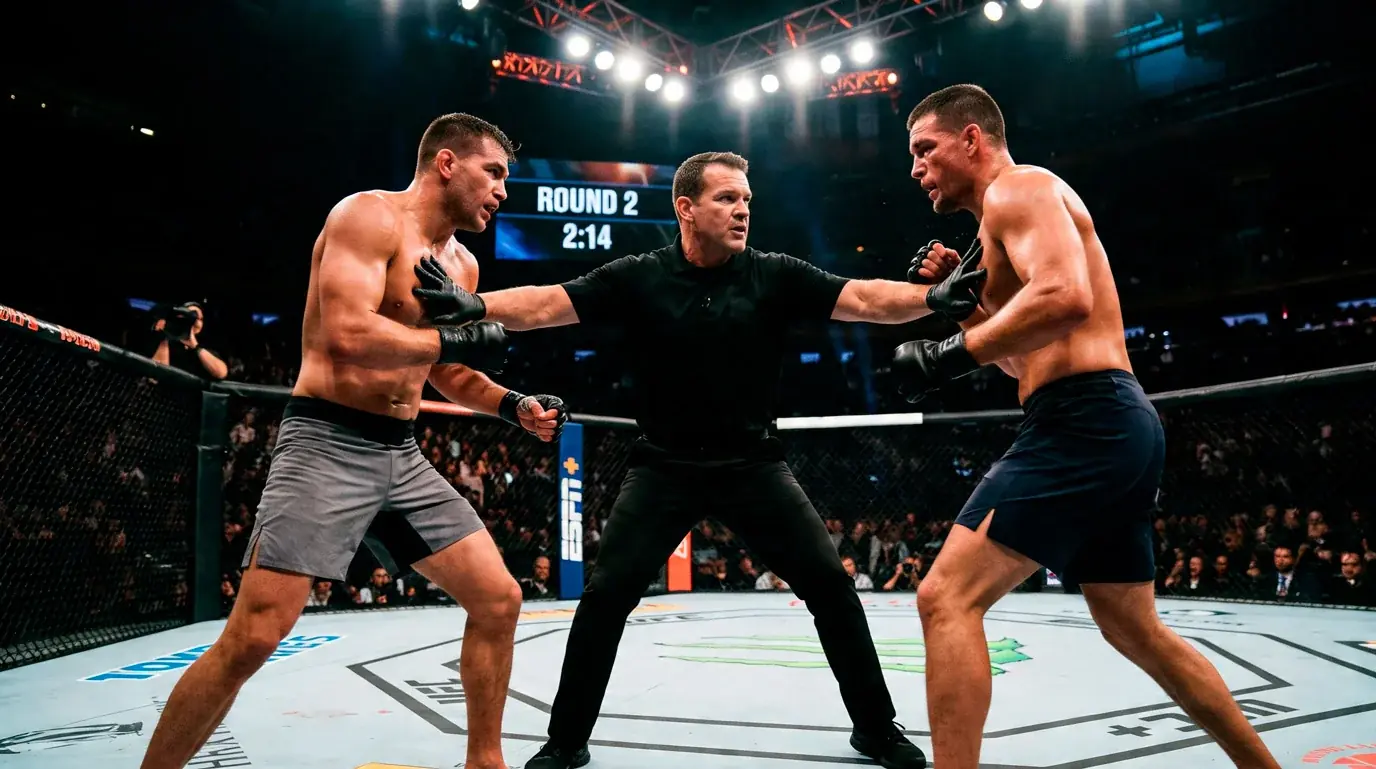
When a round ends with a clear knockdown or a cut or visibly accumulated damage on one fighter, the between-round market repricing almost always overshoots. The fighter who took damage sees their prices move significantly longer — their round-winning odds lengthen, their fight-winning odds lengthen, their finish-resistance odds lengthen — and the move is often larger than the actual probability shift the round justified.
The mechanism is straightforward. Algorithmic pricing weights recent visible information heavily, and the public money flowing onto the other side reinforces the move. A fighter who took a hard round but is still structurally in the fight will see their price move 15% to 25% in the bad direction, when the true probability shift might only be 8% to 12%. The gap is the trading opportunity for bettors willing to fade the initial reaction.
The specific way I trade this is by watching for the initial overshoot, waiting until the price has stopped moving (usually 15 to 30 seconds into the new round), and checking whether the fighter looks structurally intact on the reset walkout. If they do, the price on them is often sitting at a level that implies worse probability than the actual fight situation justifies. UFC favourites won 72% of their bouts in 2024 overall, and fighters who survive damaging rounds to win still land within that favourite-win band more often than live markets suggest in the immediate aftermath of the damage.
Pattern 2: the cardio premium is fadeable
The second pattern is that the market over-prices the finisher’s late-round probability once a fight has reached the later rounds. The assumption is that if a fighter is clearly ahead and has been pressing the action, their finish probability rises as the fight goes deeper. Sometimes that is true. Often it is not.
The reason is cardio. A fighter who has been pressing for three rounds has expended energy pressing. Their late-round output tends to fall, not rise, and the opponent who has been absorbing pressure often becomes more dangerous as the pressing fighter tires. The market does not always capture this well, especially on fighters with question marks about their conditioning at the weight.
The fadeable trade is backing the under-pressure fighter’s survival or comeback prices in rounds four and five of a five-round fight where their opponent has been visibly working hard for three rounds. The prices are long because the opponent has been winning clearly. The probability the losing fighter survives to the final bell is often higher than the long price implies, and the probability of a reversal finish is also often higher than the market has adjusted to.
This pattern does not apply to every fight. It applies most strongly to bouts where the leading fighter has a history of fading in championship rounds, or where the opposition has demonstrated durability at the level of the current pace. Style reading matters, and the cardio premium is fadeable as a generalisation rather than as a universal rule.
Pattern 3: momentum overreaction in close rounds
The third pattern is that close rounds with a late burst of activity get priced as though the burst defines the round’s outcome, when in reality the judges will score the round on the totality of effective striking and grappling across all five minutes.
A round that was effectively even for four and a half minutes and ended with fighter A landing a flurry in the final 30 seconds will see fighter A’s prices move as though they won the round clearly. The judges, meanwhile, may score the round for fighter A narrowly, for fighter B on overall output, or even call it 10-10 depending on their interpretation. The live market price after the flurry often diverges meaningfully from the scorecard reality, which is the trading opportunity.
The specific trade is to watch close rounds and their price reactions. If the price moves sharply for a late-flurry fighter and you scored the round as genuinely close or even, the opposing fighter’s live prices are often sitting at a better-than-fair implied probability. The decision markets particularly are susceptible to this, because they price on the assumption that the visible late-round burst will resolve into a clear scorecard outcome.
Live decision betting on fights with several close rounds behind them is one of the higher-edge subcategories in UFC betting for attentive bettors who score rounds independently. The market is reading the same fight you are, but it is reading it in real time with public money flowing in, and the public money is the part that overreacts most reliably.
Hedge triggers worth naming
Between-round price movement creates hedge opportunities as well as direct-bet opportunities. A hedge is closing or offsetting a position to lock in part of the value rather than riding the full remaining variance. The between-round window is when hedges typically become available at useful prices.
The three hedge triggers I treat seriously are these. First, a pre-fight bet on the underdog that has turned into a clear lead after two rounds — the cash-out price or a hedge via the favourite’s live moneyline can lock in a portion of the upside while leaving some position riding. Second, a pre-fight over-rounds bet where the fight has reached and clearly surpassed the round threshold — the market will continue to offer the over at diminishing prices but the bet is effectively won, and hedging into the under at the current price can capture additional value. Third, a pre-fight moneyline on a favourite who is winning but has taken hard rounds — hedging a portion of the win into the underdog at current live prices locks in profit against the risk of a late-round reversal finish.
The UK online gambling market’s expansion means hedge liquidity has improved substantially in recent years, and the spreads between live bookmaker prices and exchange prices on UFC bouts have tightened. Hedge trades that were clunky to execute five years ago are now routine for the bettor willing to run accounts on multiple operators.
The discipline in hedging is not to hedge every position mechanically. Hedging locks in expected value at the cost of upside, and on bets where you have a strong pre-fight edge, the upside is often worth carrying. Hedge when the live-market price overreacts in your favour or when a late-round development genuinely changes the underlying probability in a way the market has already incorporated.
Running the playbook without losing composure
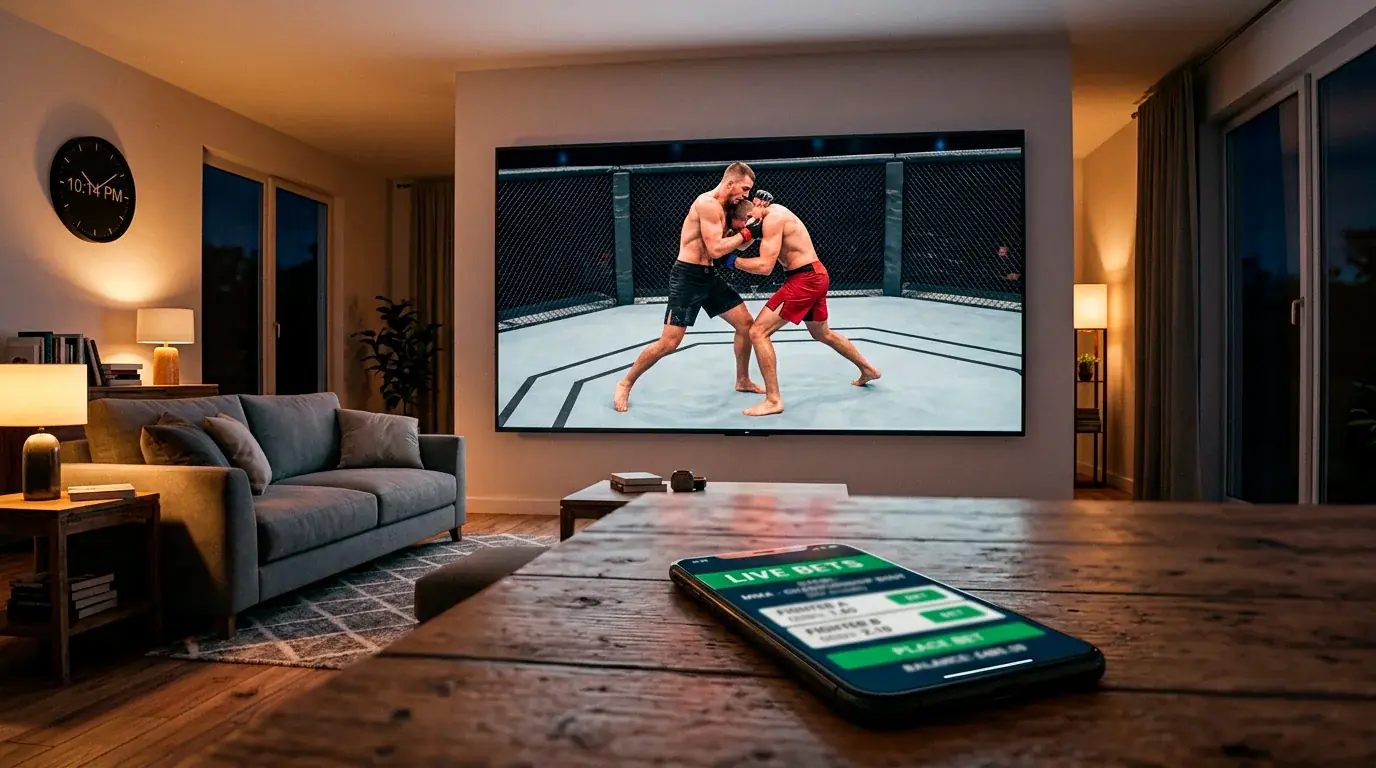
The between-round trading playbook only works if you can actually execute it at speed. The sixty-second window is genuinely short, cash-out or new-bet decisions need to happen before the new round begins, and hesitation costs money as prices continue to move.
My personal rule is to decide my triggers before the fight starts. I identify specific conditions that would make me want to stake or hedge — a knockdown to fighter A that I believe is cosmetic rather than structural, a round-three cardio fade from fighter B that the market overprices — and I pre-commit to the action if the condition fires. Decision-making mid-window is where most of the bad trades happen, and reducing the number of live decisions to a manageable handful of pre-planned triggers is what keeps the execution quality up.
The between-round market is one of the few places in UFC betting where an attentive punter with decent fight-reading skills and consistent discipline can generate sustained edge against the market. It is also one of the few places where impulse trading can generate sustained losses. Both sides of that coin are real, and the difference between them is almost entirely about pre-commitment and execution discipline rather than about fight-reading skill.
Does the market overreact to a late knockdown?
Reliably yes. A knockdown in the final minute of a round produces outsized price movement in the between-round window, often moving the damaged fighter’s prices 20% or more in the bad direction when the actual probability shift is closer to half that. The overreaction is driven by algorithmic weight on recent visible information combined with public money flowing onto the side of the visible advantage, and it is one of the most consistently fadeable patterns in live UFC markets.
Is a cardio premium fadeable in all fights?
No. The cardio premium is fadeable primarily in fights where the leading fighter has documented conditioning issues at the weight, or where the opposition has demonstrated durability against pressure. In bouts where the leading fighter is a well-conditioned finisher at their natural weight class, the cardio premium reflects real probability and fading it is a losing strategy. Style reading and individual fighter knowledge matter more than pattern-matching.
How long does the pause window between rounds actually last?
Officially 60 seconds between rounds in UFC bouts, though the effective market window is typically 40 to 50 seconds once you account for the time the corner takes to clear and the fighters to return to their positions. Cash-out and new-bet decisions need to happen within that window to execute before the new round begins, and most UK books suspend live markets during the final 10 to 15 seconds of the pause to prepare for the next round’s pricing.
Created by the ”Round Betting ufc” editorial team.